Historic Homes in Downtown Gallatin: Reviews, Renovations, and Buyer Questions
September 17, 2026
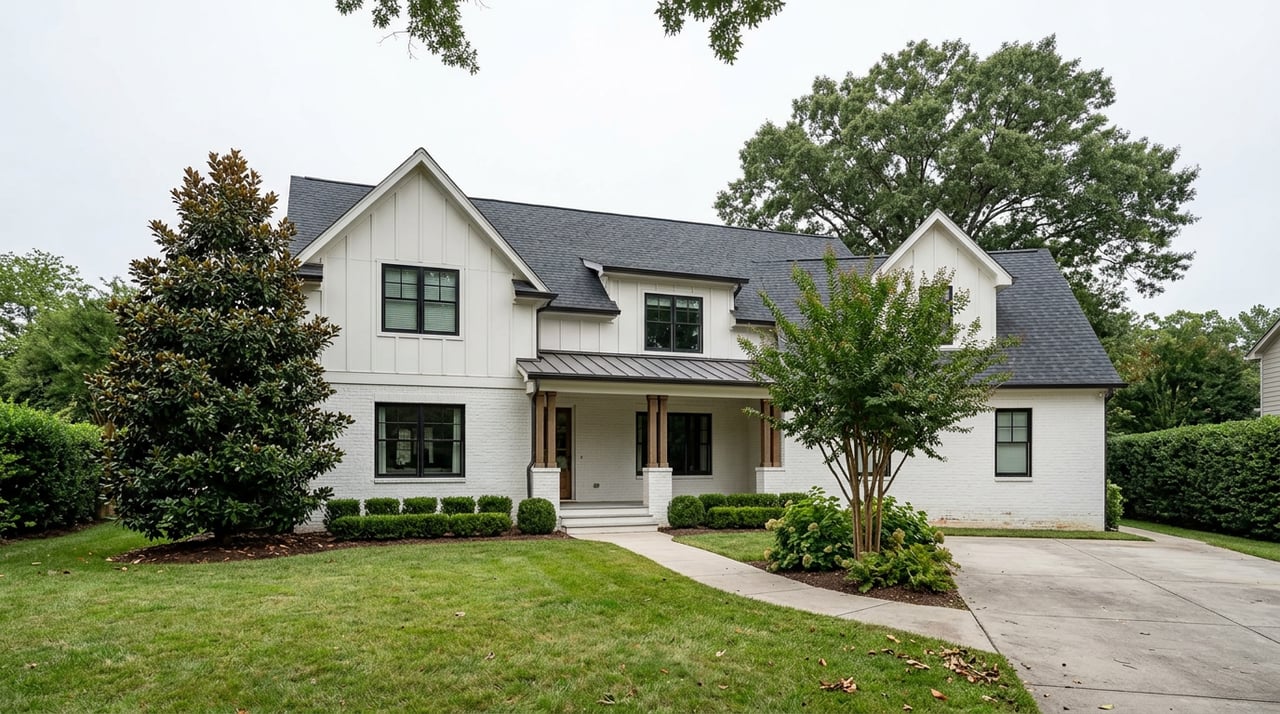
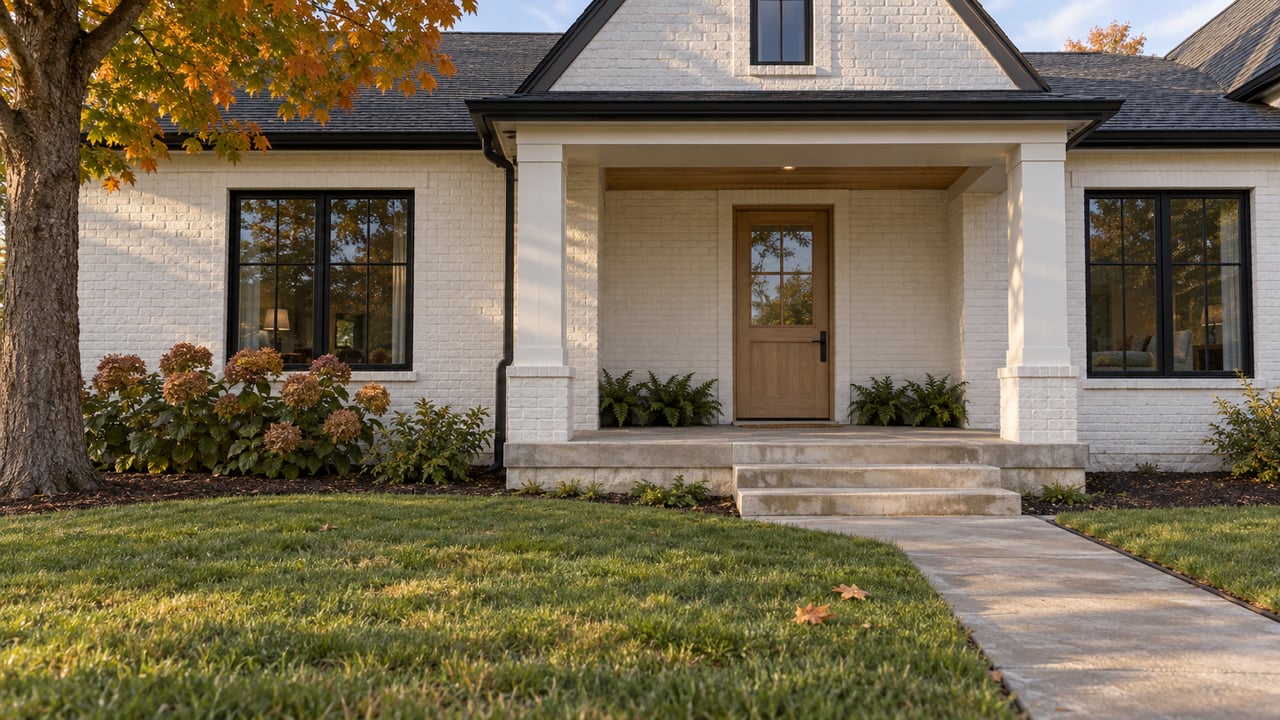
Walk down Winchester Street on a Saturday afternoon and you'll see the kind of houses that make people pull out their phones to check Zillow right there on the sidewalk. Wide porches. Original brick. The kind of century-old character that new construction spends a fortune trying to fake. What most people don't picture, standing there, is a volunteer commission that reviews plans in Room 203 of Gallatin City Hall
That's the part of owning a historic home in downtown Gallatin that doesn't show up in the listing photos. If the house you're looking at sits inside one of the city's three local historic districts, you're not just buying a structure. You're buying into a standing relationship with the Gallatin Historic District Commission, and that relationship touches decisions most homeowners elsewhere never think twice about: the fence, the roof, the windows, even the shingle color.
Downtown Gallatin's historic protection isn't a single overlay. It's three, each drawn at a different point in the city's history and each carrying its own boundary lines.
| District | Designated | Covers |
|---|---|---|
| Gallatin Commercial Historic District | Listed on the National Register in 1985; local zoning added in 1991 | The Public Square, the Sumner County Courthouse, and properties along Water, Main, College, and Franklin Streets |
| East Main Street Historic District | 1993 | The East Main Street corridor between East Eastland Street and Sherry Circle |
| Woodson Terrace Historic District | 1996 | Primarily single-family homes built from the late 1800s through the mid-1900s |
Every one of these districts requires a Certificate of Appropriateness, or CoA, before most visible exterior work can proceed. That includes new construction, additions, demolition, and relocation, but it also includes things a buyer moving into a subdivision off Highway 109 would never think to ask about. Gallatin's Fence Permit Application says a fence taller than four feet inside a historic district needs a CoA before it needs a permit. Reroofing needs sign-off. The commission's CoA Checklist says replacing an architectural feature that's beyond repair has to be an exact reproduction of what was there, not an upgrade.
None of this is hidden. It's written into the Gallatin Zoning Ordinance and the city publishes design guidelines for each district. But it's the kind of detail that lives in municipal code, not in a real estate listing, which means it's worth checking the week before closing rather than the week after.
The Historic District Commission's own meeting records show how granular this review gets. At a 2025 meeting, the commission took up a request for a Certificate of Appropriateness at a home on North Hume Avenue, inside the Woodson Terrace Historic District, for front and rear dormer additions. The property, zoned Single-Family Residential with the H-1 Historic Zoning overlay layered on top, came with a description in the file: white vinyl siding, shingle roof, brick chimney. The commission's design standards for that kind of project draw directly from the Secretary of the Interior's Standards for Rehabilitation, which call for new work to be clearly differentiated from the old rather than blended in to look original.
That's a real project working through a real process, chaired by Kenneth Thomson with Ronald Shepherd serving as secretary, guided by planning staff including Brian Rose and Jillian Ogden. It's not an abstraction. It's the actual body a homeowner on Hume Avenue, or College Street, or Boyers Street, has to go through before a dormer gets built.
Here's where this stops being a permitting curiosity and starts being a pricing question. In-town historic homes in Gallatin trade across an enormous range, from roughly $80 to $301 per square foot. That's not a neighborhood effect. Two houses two blocks apart, similar age, similar size, can land at opposite ends of that range, and the gap almost never comes down to curb appeal.
It comes down to documentation. A home with permit and CoA records for exterior work gives a buyer documentation to review. If exterior work was done without commission review, a buyer can ask whether it was approved and whether that history could affect a future renovation.
For anyone shopping the historic core, permit and CoA records are one part of assessing a home's condition alongside its location. A restored home on Park Street and an unrestored one on Morton Street may call for different comparisons, even if the tax card says otherwise.
There's one more piece worth understanding if you're weighing a purchase near downtown right now, and it's a live one. The city is currently working through something called Project Phoenix, a proposed redevelopment of two city-owned blocks, the ones holding the current City Hall, Fire Station #1, the old Chamber Building, and the Farmers Market, in partnership with Boyle Investment Company. The concept includes a hotel, residential units, green space, and new retail, all designed to fit the architectural scale of the square.
What matters for a buyer today is the city's own framing of where this stands. As of its most recent update, Gallatin describes Project Phoenix as a proposed concept, not a done deal. The council voted in August 2025 to continue the feasibility phase and approved a revised agreement with Boyle, and the developer's design firm, Historical Concepts, held a public meeting that October to gather input. No funding has been authorized. No construction has been approved.
That means anyone buying into downtown Gallatin right now, especially inside one of the historic districts bordering the square, is making a bet on momentum that hasn't finished forming. If Project Phoenix moves forward, the properties closest to it stand to benefit from the kind of foot traffic and reinvestment that raises values across a historic core. If it stalls, that particular tailwind doesn't materialize on the timeline some buyers might be assuming. Either way, the fundamentals underneath it, the CoA process, the district boundaries, and the records buyers can review when assessing a property's history, hold regardless of what happens with the square itself.
Does every exterior change need a Certificate of Appropriateness, even small ones? Not everything requires a full commission hearing. But anything that changes the appearance, material, or footprint of a visible exterior feature, including fences over four feet, should be checked against the district's design guidelines before you assume it's a simple weekend project.
What if the seller already did work without going through the process? If a property's exterior work was done without commission review, ask for the permit and CoA history and clarify whether that history could affect future work.
Does living outside the historic districts but still in Gallatin mean none of this applies? Correct. The CoA requirement is specific to properties inside the three mapped districts.
If you're looking at a home near the square, on Boyers, Winchester, College, or anywhere inside these three districts, the paperwork trail matters as much as the paint color. Knowing which district applies and what the permit and CoA records show can help you understand the home's history and plan for future work.
If you want a second set of eyes on a specific address before you fall in love with the porch, The Nashville Homegirl knows this stretch of Sumner County block by block. Let's Connect.
This article is general information, not legal, tax or financial advice. Consult a qualified professional about your situation.
Stay up to date on the latest real estate trends.



Get assistance in determining current property value, crafting a competitive offer, writing and negotiating a contract, and much more. Contact me today.