New To Nashville? Everyday Life Beyond The Tourist Spots
May 7, 2026
May 7, 2026
If you’re moving to Nashville, it’s easy to picture neon lights, Broadway crowds, and weekend tourists. But day-to-day life here looks very different. Once you get past the postcard version of the city, you’ll find that Nashville is really a collection of neighborhoods, routines, and local hubs that shape how you live, commute, shop, and spend your free time. Let’s dive in.
One of the biggest surprises for newcomers is that Nashville does not revolve around one single downtown lifestyle. Metro planning materials describe neighborhood boundaries as advisory rather than fixed, and the city’s long-range vision emphasizes walkable centers with housing, jobs, and services across both urban and suburban areas.
In real life, that means your experience of Nashville often depends more on your side of town, your favorite commercial corridor, and how far you want to drive for daily needs. The Cumberland River also splits Davidson County east to west, which naturally shapes where people live, run errands, and spend time.
Davidson County is also a large and active county with 729,505 residents and 382,559 housing units, according to Census QuickFacts for 2024. With a 52.8% owner-occupied housing rate and a mean commute time of 24.7 minutes, Nashville feels more mixed and urban than many nearby suburban markets.
For most households, driving is still a central part of daily life in Nashville. That matters when you are choosing where to live, because your commute, errands, and social plans may feel very different depending on whether you stay close to your main routes.
That said, Nashville is not only a driving city. WeGo Public Transit operates 27 local bus routes, 9 regional routes, and the WeGo Star train, which provides weekday morning and afternoon service between the East Corridor and Riverfront Station, with connections at Donelson and Hermitage.
Metro has also expanded bikeways and greenways over the past decade. The city notes bike racks on buses, a bike-share system, and countywide bikeway planning, so biking and transit can play a real supporting role in your routine even if your car does most of the heavy lifting.
If you travel often, airport access may matter more than you expect. Nashville International Airport is located in Donelson, and official directions route drivers through I-40, Briley Parkway, and Donelson Pike depending on where they are coming from.
For many relocation buyers, that makes east-side and airport-area living feel especially convenient for frequent flights. It is one more example of how everyday life in Nashville often comes down to practical geography, not just a zip code on a map.
Newcomers sometimes assume they will head downtown for shopping and essentials. In practice, most everyday errands happen in neighborhood retail hubs spread across the county.
Green Hills is one of the best-known examples. The Mall at Green Hills includes more than 125 stores and restaurants, plus over 4,300 parking spaces, and the area around Hillsboro Pike also includes Whole Foods Market and Trader Joe’s.
Bellevue has a different kind of errand pattern. Shopping there tends to center around Highway 70 and Highway 100, with One Bellevue Place and nearby grocery options helping residents stay local for day-to-day needs.
East Nashville feels more neighborhood-scaled. Grocery options like the Kroger on Gallatin Avenue support daily life, while the area’s commercial energy is spread across smaller corridors and local business districts instead of one large mall zone.
Some of Nashville’s most popular areas are appealing not because they are flashy, but because they make everyday life feel easy and enjoyable. Places like 12South, The Nations, and Sylvan Park offer more local, walkable shopping and dining patterns than mall-centered retail nodes.
Visit Nashville describes 12South as a shopping and dining destination, The Nations as a hyper-local area with breweries and eateries, and Sylvan Park as largely residential with locally owned restaurants, bars, and shops. For many buyers, that kind of daily rhythm says more about a neighborhood than its name recognition does.
Another thing that surprises many people is how much green space fits into ordinary life here. Nashville’s greenway system is designed to connect neighborhoods to parks, schools, transportation, shopping, and work, and Metro says the network is built around eight major water corridors.
The city also describes a planned 23-mile urban greenway loop around the core, with about one-third completed or under development. So even in a growing city, outdoor access remains part of how many residents structure their week.
Shelby Bottoms is a standout example on the east side. Metro describes it as a 960-acre greenway and natural area with more than 5 miles of paved ADA-accessible trail and more than 5 miles of primitive trail, along with connections to the Stones River and Cumberland River greenways.
It also offers relatively easy access to downtown and on-trail bike-share access. If you want your daily life to include walks, bike rides, or time outdoors without leaving the city, that kind of feature can shape your home search in a big way.
On the west side, Warner Parks bring a different outdoor experience. Metro reports 12 miles of primitive hiking trails, 3 miles of paved trail connected to the Harpeth River greenway system, almost 9 miles of paved multi-use trail, and 10 miles of horse trails.
Metro also points to ongoing Richland Creek and Harpeth River greenway work in Bellevue and West Nashville. For buyers who want a more suburban edge with strong outdoor access, this part of the county often stands out.
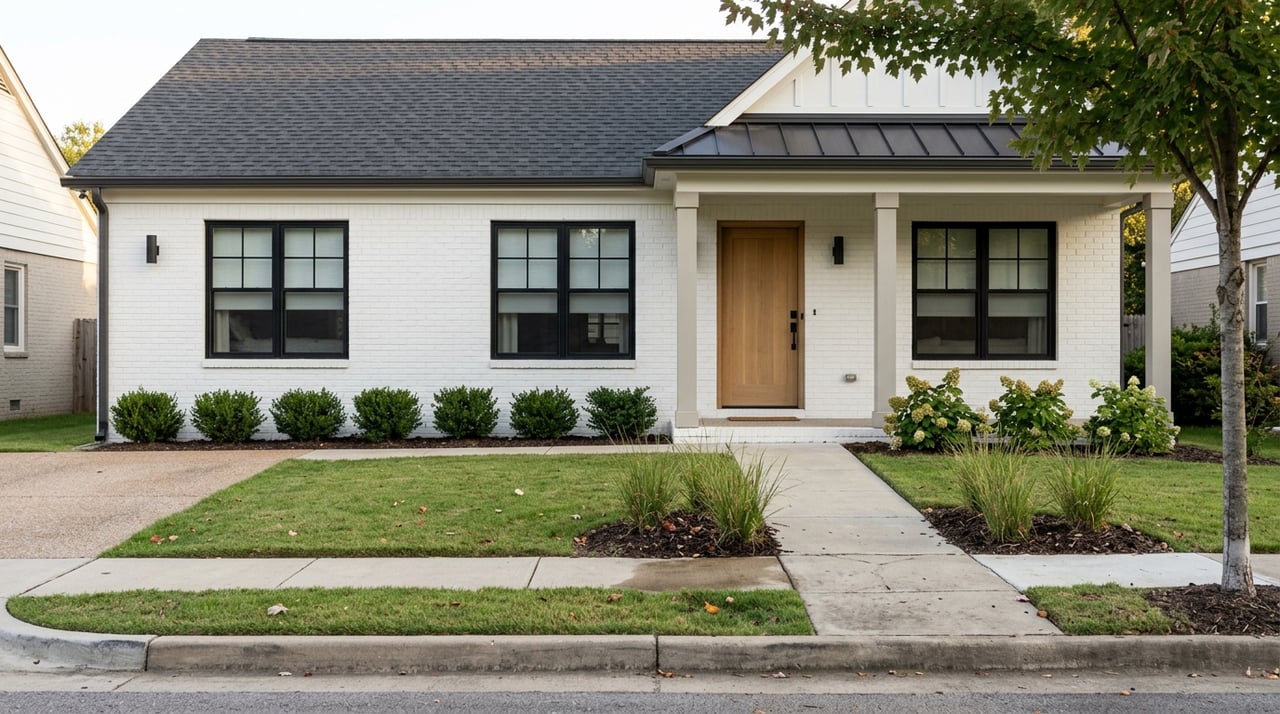
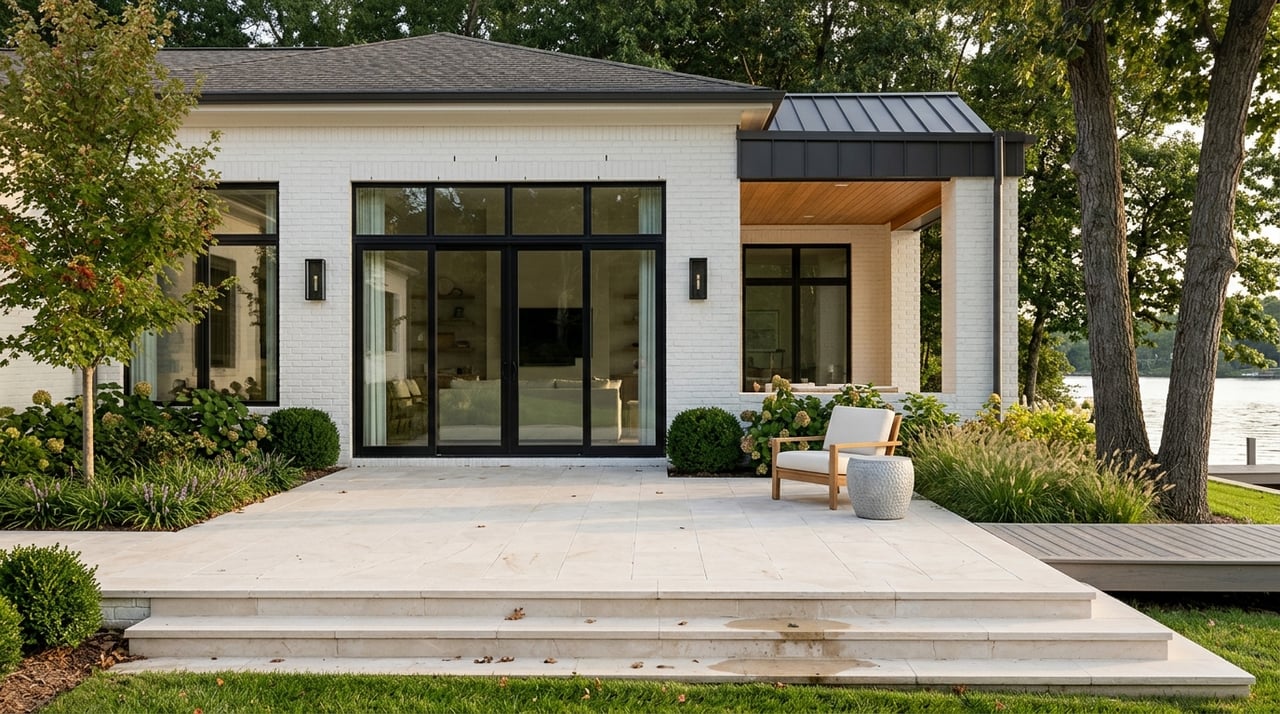
One of the most important things to understand before moving here is that Nashville does not offer one standard housing pattern. The housing stock, lot sizes, density, and neighborhood feel can change quickly from one part of Davidson County to another.
That variety can be a real advantage. It gives you more options to match your lifestyle, whether you want a more urban setting, a mixed residential area, or a suburban feel with easier access to green space.
East Nashville is one of the clearest examples of Nashville’s urban residential fabric. The community plan notes a dense mix of housing types, including single-family and two-family homes, carriage houses, alley houses, townhouses, and smaller stacked flats.
Visit Nashville also highlights historic homes dating back to the early 1900s, along with a strong restaurant and live music culture. If you want variety, character, and a more neighborhood-scaled city feel, East Nashville often fits that picture.
Green Hills and Midtown blend suburban and urban forms in a different way. Metro’s community plan describes mid-rise stacked flats in Green Hills’ commercial area, inner-ring neighborhoods with single-family, two-family, triplex, quad, and small stacked-flat housing, plus suburban neighborhoods with larger residential lots.
That mix can appeal to buyers who want access to established retail and dining while still having a range of housing types to consider. It is a reminder that even well-known Nashville areas are more layered than they first appear.
Donelson-Hermitage-Old Hickory reads more suburban overall. Metro’s community plan says the area includes a range of housing options, but that the majority of housing is single-family, with added density focused in centers and corridors.
For many buyers, this area offers a practical balance of airport convenience, neighborhood services, and a less urban residential pattern. That can be especially appealing if you are relocating and want an easier transition into the county.
Bellevue and parts of West Nashville sit on the more suburban edge of Davidson County. Bellevue’s plan describes the area as primarily suburban and rural residential, with hills, wooded areas, residential neighborhoods, and farmland, plus commercial centers along Charlotte Pike, US 70, SR 100, and Old Hickory Boulevard.
If your ideal Nashville life includes a little more breathing room and a little less intensity, this side of the county may feel like a better fit. It still connects you to the city, but it often delivers a different pace.
If you are new to town, it helps to know that Nashville’s food, music, and creative energy are spread across many neighborhoods. Broadway is only one piece of the story.
Music Row remains central to the entertainment industry. Midtown brings together students, music-industry workers, and executives around chef-driven restaurants and bars, while 12South, Germantown, The Nations, and Wedgewood-Houston each offer their own mix of dining, local businesses, and creative spaces.
Sylvan Park is another great example of everyday Nashville. Visit Nashville describes it as quaint, quiet, and largely residential, with locally owned restaurants, bars, and shops. That neighborhood-level identity is often what people end up loving most once they actually live here.
If you are relocating to Nashville, the best question is not just, “How close am I to downtown?” A better question is, “What kind of everyday life do I want?”
You may want easy airport access, a shorter commute, more walkable errands, older housing stock, suburban streets, or quick access to greenways and parks. Nashville can offer all of those, but not usually in the same exact place.
That is why local guidance matters so much when you are narrowing your options. A move goes more smoothly when you understand not only the home itself, but also how the surrounding area will support your daily routine.
If you are planning a move to Nashville and want help matching a home search to your real lifestyle, connect with Amanda Mcfadden. She can help you make sense of the neighborhoods, the pace, and the practical details so you can move with confidence.
Stay up to date on the latest real estate trends.
Get assistance in determining current property value, crafting a competitive offer, writing and negotiating a contract, and much more. Contact me today.